

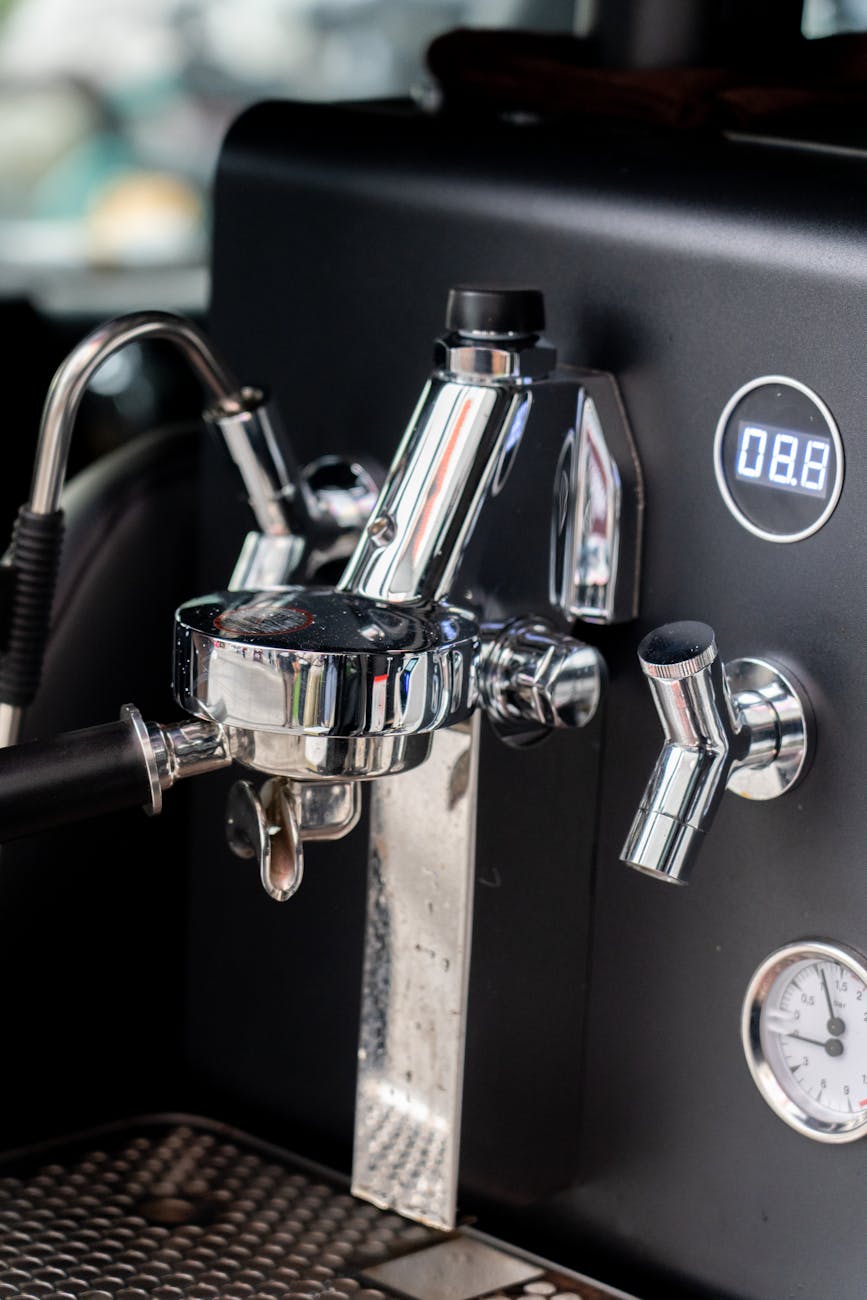
Mastering pre-infusion on a stock Gaggia Classic Pro
The Gaggia Classic Pro is respected among home baristas for its robust, no-frills design that provides a direct path to quality espresso. In its stock form, however, it lacks the built-in pre-infusion capabilities found in more expensive machines. Pre-infusion, the process of gently saturating the coffee puck at low pressure before extraction, is a key technique for minimizing channeling and achieving a more even, flavourful shot. Fortunately, the Classic Pro’s hydraulic design allows for a manual workaround known as the “steam knob trick.” This method provides a surprising level of control without any permanent modifications, making it an essential technique for experienced users seeking to elevate their espresso quality and consistency.
The purpose of pre-infusion
Before executing the technique, it is important to understand its fundamental goal. A standard espresso extraction immediately introduces the coffee puck to the full nine bars of pressure generated by the pump. This sudden, intense force can disturb the grounds, creating small cracks or “channels.” Water will always follow the path of least resistance, flowing rapidly through these channels and under-extracting the rest of the puck. The result is often a shot that is simultaneously sour and bitter.
Pre-infusion mitigates this by allowing the puck to become fully saturated with water at a very low pressure, typically between one and three bars. This gentle introduction causes the coffee grounds to swell, settling the bed and increasing its resistance to high pressure. A properly saturated puck is far more resilient and less prone to fracturing, enabling a more uniform extraction once full pressure is applied.
How the steam knob trick works
The steam knob trick cleverly manipulates the Gaggia’s water path. The machine has a single pump and a three-way solenoid valve that directs water flow. When you activate the brew switch, the pump engages and pushes water toward the group head. By opening the steam knob simultaneously, you create a second, parallel path for the water to exit through the steam wand. Because the steam wand offers less resistance than a compressed puck of coffee, the majority of the pump’s flow is diverted out of the wand.
However, not all the water is diverted. A small amount still travels to the group head, but at a significantly reduced flow rate and pressure. This gentle flow is perfect for pre-infusing the puck. When you close the steam knob, the alternate exit path is sealed, forcing the pump to direct its full pressure and flow to the group head to begin the main extraction.
A step-by-step guide
Achieving a consistent manual pre-infusion requires a repeatable workflow. Using a scale and a timer is highly recommended.
- Prepare and tamp your portafilter as you normally would and lock it into the group head. Place your cup and scale, taring it to zero.
- Fully open the steam knob. You do not need to turn on the steam switch, only the knob itself.
- Simultaneously start your timer and activate the main brew switch. You will hear the pump engage, and water will begin to flow from the steam wand into your drip tray.
- Watch the bottom of your portafilter basket. After a few seconds, you should see the first few drops of espresso begin to form. This is your cue that the puck is saturated.
- As soon as you see these first drops, quickly and firmly close the steam knob. This action marks the end of pre-infusion and the beginning of the full-pressure extraction.
- Allow the shot to pull to your desired brew ratio, then turn off the brew switch to stop the extraction.
Controlling variables and finding consistency
The primary variable you control with this technique is the duration of the pre-infusion stage. This is the time between activating the brew switch and closing the steam knob. A common starting point is between six and ten seconds. Shorter times may be insufficient to fully saturate the puck, while longer times can lead to a less distinct separation between pre-infusion and extraction.
This technique often allows for a slightly finer grind size than you might use otherwise. Because the gentle puck saturation helps prevent channeling, you can increase the surface area of your coffee to achieve a higher extraction without introducing astringency. As with any change in your process, expect to adjust your grind to find the new sweet spot.
The following table outlines a sample workflow to use as a baseline.
| Step | Action | Target Time or Cue |
|---|---|---|
| 1 | Open steam knob | – |
| 2 | Start timer and brew switch | 0 seconds |
| 3 | Watch for first drops from portafilter | ~6-10 seconds |
| 4 | Close steam knob | Immediately on first drops |
| 5 | Continue extraction to target yield | – |
| 6 | Stop brew switch | ~25-35 seconds total shot time |
Conclusion
The steam knob trick is a powerful, no-cost method for integrating manual pre-infusion into your Gaggia Classic Pro workflow. It transforms the machine from a simple on-off device into one that offers a significant degree of nuanced control over the extraction process. By gently saturating the coffee puck before applying full pressure, you can greatly reduce the risk of channeling, improve shot-to-shot consistency, and unlock a higher potential for balanced and sweet espresso. While the technique requires practice and careful attention to your timer and visual cues, mastering it is a rewarding step for any home barista. Achieving this level of control is supported by meticulous puck preparation, and various tools to aid in that process are available from retailers like papelespresso.com.
 No products in the cart.