

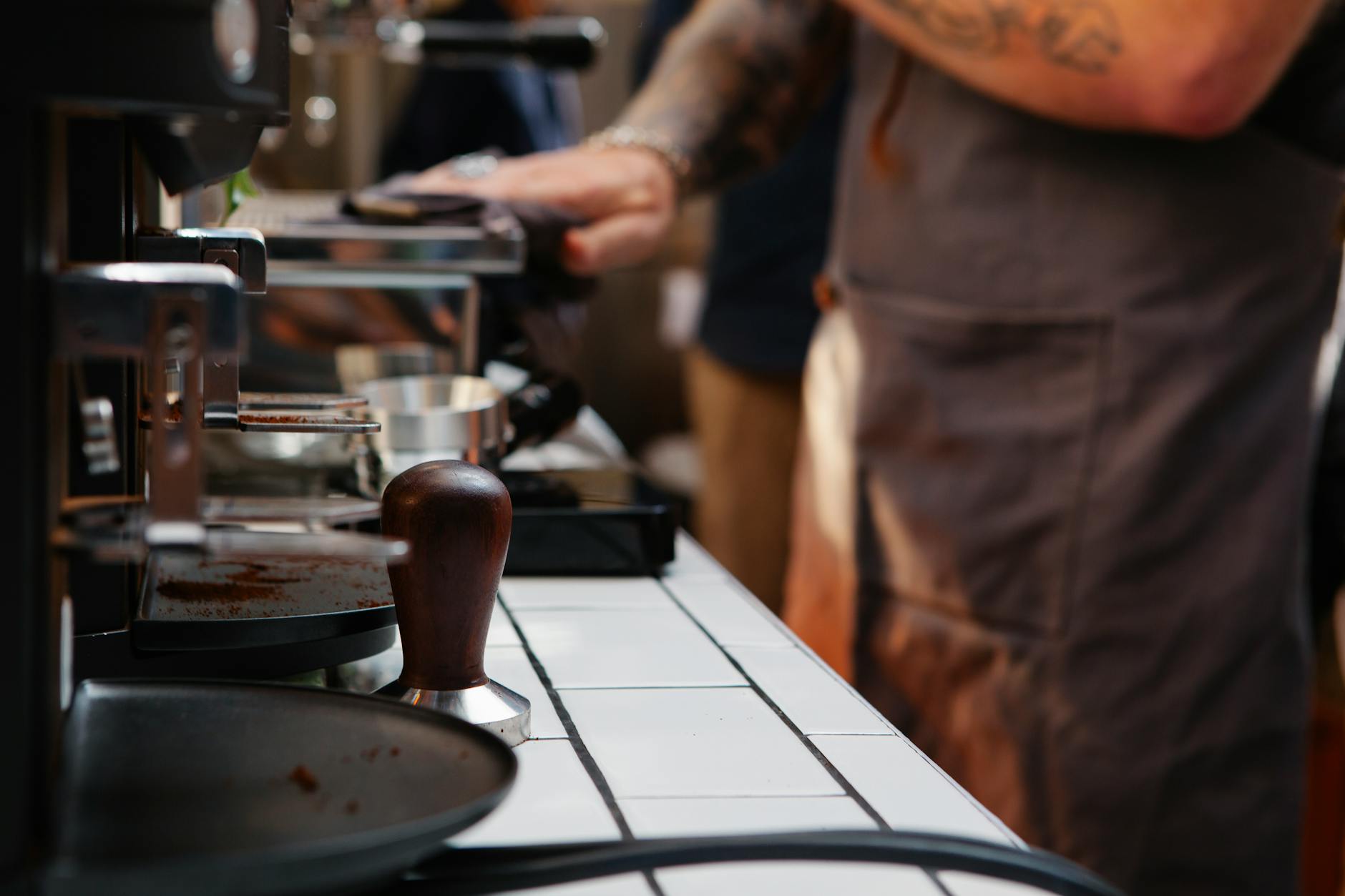
A step-by-step guide to backflushing the Gaggia Classic Pro 3-way solenoid valve
For dedicated home baristas, maintaining the Gaggia Classic Pro is as crucial as perfecting the espresso shot itself. One of the most important maintenance tasks is backflushing, a process designed to clean the machine’s 3-way solenoid valve and group head. Over time, coffee oils, grounds, and mineral deposits accumulate in these internal pathways. This buildup can lead to off-flavors, poor water flow, and even mechanical failure of the valve. A clean 3-way solenoid ensures that pressure is properly relieved from the portafilter after brewing, resulting in a dry puck and a cleaner workflow. This guide provides a technically precise, step-by-step process for effectively backflushing your machine, preserving both its longevity and the quality of your espresso.
Understanding the 3-way solenoid valve
The 3-way solenoid valve is a critical component in espresso machines like the Gaggia Classic Pro. Its function is twofold. During brewing, it opens to allow pressurized water from the boiler to flow through the group head and into the portafilter. When the brew switch is turned off, the valve closes the path from the boiler and simultaneously opens a third port. This action diverts the remaining pressure and water from the group head, channeling it into the drip tray. This rapid pressure release is what creates the characteristic “whoosh” sound at the end of a shot and produces a dry, easily removable coffee puck. Failure to keep this valve clean can cause it to stick or clog, leading to soupy pucks and potential pressure issues.
Essential tools and preparation
Before beginning the backflushing process, you will need a few specific items. The primary tool is a blind portafilter basket, which has no holes. This allows pressure to build up within the group head, forcing water back through the system to clean it. You will also need a dedicated espresso machine cleaning detergent, typically in powder form, which is formulated to dissolve stubborn coffee oils without damaging the machine’s internal components. Ensure your machine is fully heated and the water reservoir is full before you start. It is also good practice to have a small towel on hand to wipe down the group head and drip tray.
The backflushing process step-by-step
Follow these steps carefully to perform a detergent backflush. This process should be done with the machine fully up to temperature.
- Insert the blind basket: Place your blind portafilter basket into your standard portafilter.
- Add detergent: Add approximately 3-5 grams of espresso machine cleaning powder into the blind basket.
- Lock and run: Lock the portafilter into the group head as you would for brewing. Activate the brew switch and let the pump run for 10 seconds. You will hear the pump strain as pressure builds against the blind basket. After 10 seconds, turn the brew switch off.
- Release and wait: When you turn the switch off, the 3-way solenoid will activate, releasing the pressure and discharging a mixture of water and cleaning solution into the drip tray. Wait about 20-30 seconds.
- Repeat the cycle: Repeat steps 3 and 4 four to five more times. This cycle of building and releasing pressure effectively scrubs the internal pathways and the solenoid valve.
- Rinse the system: After the final cycle with detergent, remove the portafilter. Carefully rinse the blind basket and the portafilter to remove all traces of the cleaning powder.
- Flush with fresh water: Lock the portafilter with the clean blind basket back into the group head. Repeat the 10-second on, 20-second off cycle five more times using only fresh water. This is a critical step to ensure all residual detergent is flushed from the system.
- Final rinse: Remove the portafilter, run the group head for a few seconds to rinse it, and wipe it clean with a towel.
Frequency and routine maintenance
The ideal backflushing frequency depends on your usage. For a typical home barista pulling one to two shots per day, performing a detergent backflush every one to two months is a reasonable guideline. However, a plain water backflush, which involves the same steps but without detergent, can be performed more frequently, perhaps once a week, to keep the system clear of fresh coffee grounds between deeper cleanings. Pay attention to the machine’s behavior. If you notice wet, soupy pucks or a change in the water flow’s appearance from the group head, it is likely time for a thorough cleaning. Consistent maintenance is far more effective than trying to resolve a problem once it has become severe.
Conclusion
Mastering the backflushing routine for your Gaggia Classic Pro is a non-negotiable aspect of responsible machine ownership. This simple yet critical task directly impacts the taste of your espresso and the functional lifespan of the machine. By regularly cleaning the 3-way solenoid valve and group head, you prevent the accumulation of rancid coffee oils and scale, ensuring that each shot is as clean and flavorful as possible. The process requires minimal time but pays significant dividends in performance and reliability. Developing this habit protects your investment and elevates your craft, allowing the Gaggia Classic Pro to perform at its peak. For those seeking to maintain their equipment, the necessary tools and cleaning agents are readily available from retailers like papelespresso.com.
 No products in the cart.